
Blog / Service

Blog

All Service Volkswagen Model Features Brakes Motor Oil VW Community
VW Brakes FAQ: What's Happening When You Press the Pedal?

Brake Components FAQ: What VW Drivers Should Know 

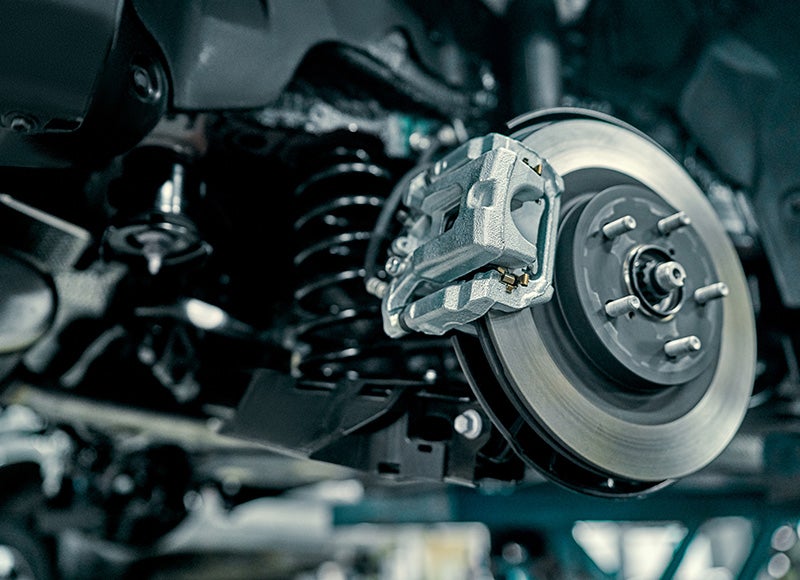
VW Brakes FAQ: What's Happening When You Press the Pedal? Brakes are quite easy to understand from the driver's seat. Press the pedal and the car slows down. Mechanically, there's considerably more going on. A typical Volkswagen braking system brings together the pedal, master cylinder, brake fluid, hydraulic lines, calipers, pads, and rotors, with electronic systems working alongside them. You don't need to know how to rebuild the system to look after it, but understanding the basics can make it easier to recognize when it's time for Volkswagen brake service rather than discovering there's a problem during an emergency stop. What Do Brake Pads and Rotors Do? Brake pads and rotors handle much of the friction involved in stopping the vehicle. When you press the brake pedal, the pads are pushed against the rotating brake discs, or rotors, converting the vehicle's movement into heat and slowing the wheels. Pads gradually wear as a normal consequence of doing this job, while rotors can also wear, develop surface irregularities, or require replacement depending on their condition and specifications. That's why a proper brake inspection involves more than looking at the pads. Technicians can check pad thickness and rotor condition along with the other components that contribute to braking performance. How Do Calipers and the Master Cylinder Fit In? Your foot starts the process, but hydraulic pressure does much of the work. Pressing the pedal acts on the master cylinder, which pressurizes the brake fluid within the hydraulic system. That pressure travels through the brake lines toward the wheel brakes, where the calipers use it to press the pads against the rotors. It's an elegantly straightforward arrangement when everything is functioning correctly. Problems involving a caliper, hydraulic component, or brake line can change how the pedal feels or how consistently the vehicle brakes, which is why unusual braking behavior deserves a Volkswagen service inspection instead of an experimental period of seeing if it improves by itself. What Is Brake Fluid Doing? Brake fluid transfers hydraulic pressure through the braking system, and its condition matters. Brake fluid is hygroscopic, meaning it can absorb moisture over time, which can reduce its boiling point and affect performance under demanding conditions. Service requirements can vary by Volkswagen model and year, so owners should follow the maintenance schedule specified for their vehicle instead of relying on a universal replacement interval. If the fluid level appears low, don't simply top it off indefinitely without investigating why. A Volkswagen brake fluid service or inspection can determine the condition of the fluid and check for other issues within the hydraulic system. What Are the Warning Signs of Brake Trouble? Noise is one clue, but not every brake problem announces itself in exactly the same way. Squealing can come from pad wear indicators on some brake designs, while grinding can indicate severe pad wear or another condition requiring immediate inspection. A pulsating pedal, vibration during braking, a soft or unusually firm pedal, increased stopping distance, or a vehicle pulling during braking can also justify a brake system inspection. None of those symptoms identifies the failed component on its own. Pads, rotors, calipers, tires, suspension components, and other factors can influence what you feel through the pedal and steering wheel, so diagnosis comes before ordering a pile of Volkswagen brake parts. What Do ABS and Electronic Brake Systems Control? Modern Volkswagen models can add electronic assistance to the mechanical and hydraulic braking system. The Anti-lock Braking System can modulate brake pressure to help prevent wheel lockup during certain hard-braking situations, while other stability and brake-control technologies can manage individual wheel braking as conditions require. If an ABS or brake-system warning appears on the instrument cluster, consult the owner's manual for the specific warning and arrange Volkswagen diagnostic service when required. A car that appears to stop normally can still have a fault affecting an electronic assistance system, so a warning lamp isn't something to cover with a small piece of electrical tape and consider repaired. Schedule Volkswagen Brake Service Near Ontario, CA Drivers around Ontario, CA, who notice grinding, squealing, vibration, unusual pedal feel, increased stopping distance, or a brake warning light should arrange an inspection promptly. Visit VW of Beaumont to explore Volkswagen Certified Service, learn more about brake repair and maintenance, or schedule a Volkswagen service appointment online before a small warning sign develops into a larger braking problem.
Volkswagen Oil Changes: A Thin Film Between Engineering and Expensive Noises

Oil Change Guide for VW Drivers

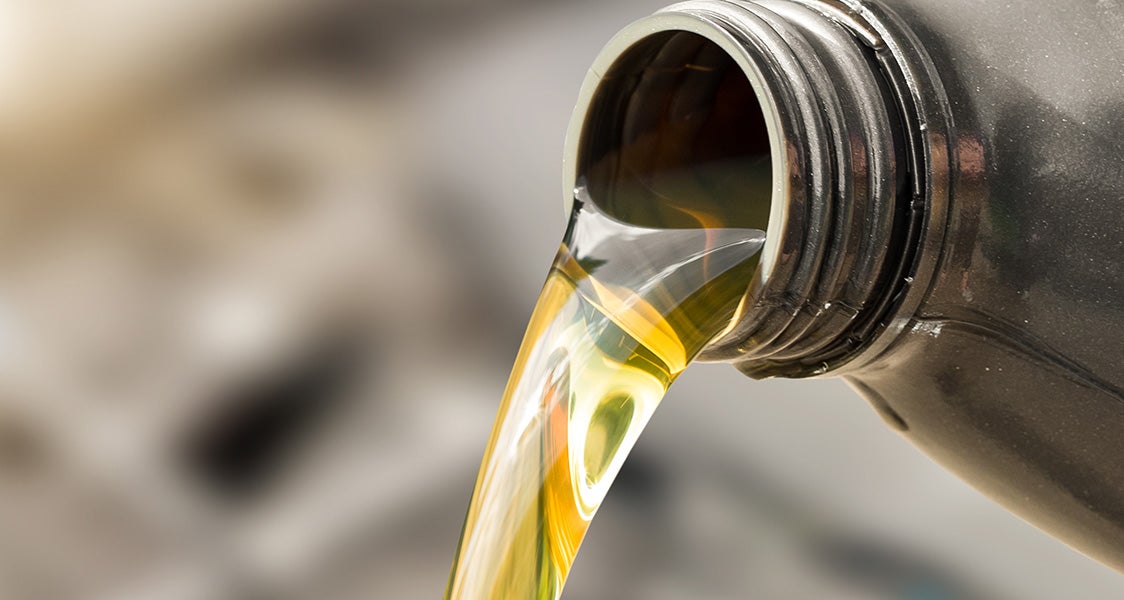
Volkswagen Oil Changes: A Thin Film Between Engineering and Expensive Noises An internal-combustion engine is a remarkably sophisticated device built around a slightly alarming premise: put dozens of metal components in extremely close proximity, move some of them thousands of times per minute, add fire, and hope nothing touches anything it shouldn't. Engine oil is a major reason this arrangement works. It lubricates moving surfaces, helps manage heat, carries contaminants toward the filter, and protects internal components as the miles accumulate. For Volkswagen owners around Beaumont, TX, changing that oil according to the correct maintenance schedule isn't automotive housekeeping. It's basic mechanical diplomacy. Your Engine Is Essentially a Controlled Friction Problem Inside a running Volkswagen engine, components are constantly rotating, sliding, and reciprocating while combustion produces heat and contamination. Oil creates a protective film between critical surfaces, reducing friction and wear while circulating throughout the lubrication system. Over time, heat, contaminants, and normal operation degrade the oil's ability to perform those jobs. An oil change removes the used lubricant and replaces the filter that has been collecting material along the way. Ignore the process long enough and the engineering becomes considerably less sophisticated: metal meets metal, heat increases, wear accelerates, and your checking account becomes involved. Oil Does More Than Prevent Metal from Eating Metal Lubrication gets top billing, but oil has several assignments. It helps carry heat away from components, transports contaminants toward the filter, provides corrosion protection, and supports proper operation of the engine's lubrication system. Modern engines are manufactured with precise tolerances and specific lubricant requirements, so using the correct oil isn't an opportunity for improvisation. Volkswagen specifies oil standards and viscosity requirements according to the engine. A Volkswagen oil change should therefore use oil meeting the requirements for that vehicle, not simply whatever bottle happens to contain the word “synthetic” in sufficiently confident typography. Ten Thousand Miles Is Not a Commandment Some modern Volkswagen models may have scheduled oil-change intervals reaching 10,000 miles, but the correct interval is the one specified for your model and engine. Vehicle age, operating conditions, and maintenance requirements can alter the equation, so a universal mileage recommendation isn't especially useful. Review your Volkswagen maintenance schedule or ask the service department if you're uncertain. This is one of those occasions when the engineers who designed the engine possess more relevant information than the sticker somebody put on a windshield several cars ago. An Oil-Pressure Warning Is a Different Conversation An oil-pressure warning isn't simply the vehicle reminding you that service is approaching. If an oil-pressure warning appears while driving, stop safely and shut the engine off. Low oil level can contribute to lubrication problems, but pressure loss may have other causes requiring diagnosis. Warning displays also vary among Volkswagen models, so don't rely on a generic description of dashboard symbols to determine the problem. Checking the oil level can provide useful information, but an oil-pressure concern deserves prompt Volkswagen engine diagnostics. Engines tolerate many inconveniences. Loss of adequate lubrication is not among their better party tricks. Buy the Specification, Not the Marketing Story Conventional, synthetic-blend, and full-synthetic oils differ in formulation, but those categories alone don't tell you which lubricant belongs in your Volkswagen. The correct specification and viscosity for the engine are what count. During routine maintenance, a Multi-Point Inspection can also provide an opportunity to check fluid levels, visible leaks, tires, brakes, and other service items. It's considerably more efficient to discover a developing leak during scheduled maintenance than after your Volkswagen has begun leaving small geological samples on the driveway. Fresh Oil Is Cheaper Than Internal Engine Parts Volkswagen owners around Beaumont, TX, can visit VW of Beaumont for oil changes, Multi-Point Inspections, scheduled maintenance, fluid checks, and other Volkswagen service needs. If an oil warning appears, the engine develops unusual noises, or you've discovered a leak, arrange an inspection rather than simply waiting for the next scheduled oil change. Review available service specials and your Volkswagen maintenance schedule, then schedule an oil change or service appointment online.

Contact Us

Fill out this form below and we'll contact you shortly
*Required Fields